CARE Advocates Take Grassroots Action to Preserve U.S. Humanitarian Assistance.


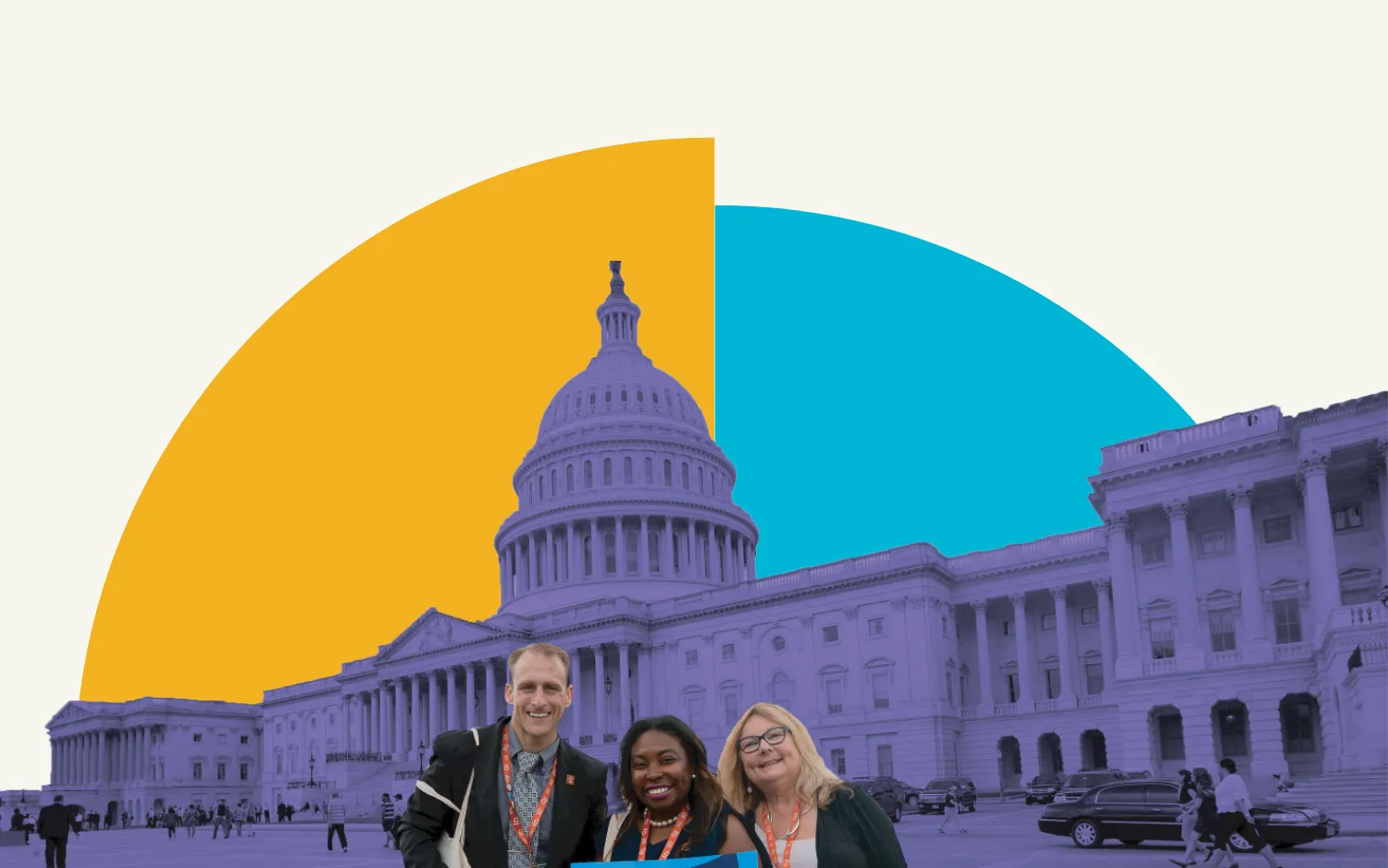
CARE held our 2012 Conference and International Women's Day Celebration on March 7-8 in Washington, D.C. The gathering drew 157 CARE supporters from 35 states to advocate on poverty alleviation and women's empowerment. The conference's first day brought together CARE Action Network (CAN) chairs for to learn more about preserving vital humanitarian programs in light of changing political and budget realities – and what they could do to help. Later that evening, the CAN chairs were joined by the general public and other conference attendees to kick off the 101st celebration of International Women's Day with a film screening and panel discussion. On the second day, conference-goers traveled to Capitol Hill for meetings with Congress – 153 meetings over the course of just one day! Here are some highlights:


Policy agenda session

David Ray, CARE's policy and advocacy head, kicked off the session with a recap of our current efforts. David stressed the importance of CARE supporters connecting with our elected officials, emphasizing that decisions made in Washington have a big impact on poor communities around the world. David cited the size and scope of the CARE Action Network – more than 180,000 supporters across the United States - as a powerful influence on humanitarian policy decisions. He praised participants' ongoing commitment to equitable and sustainable development, pointing out that some attendees had stayed involved since CARE's first conference nine years ago.


How to be an effective advocate

Field coordinator Derreck Kayongo moderated a session involving staff members from two congressional offices. Derreck explained the challenges of funding international humanitarian assistance in the 2013 budget cycle, and reiterated the importance of conference participants standing up for their beliefs.

"You've hired them. You've employed them by voting for them. You don't have to apologize for taking time to talk and speak your mind," he said of meeting with elected officials.


Congressional meetings preparation

In preparation for meetings on Capitol Hill, conference participants learned more about the realities of U.S. foreign assistance. President Obama has proposed an international affairs budget proposal of $56.2 billion (the overall budget is $3.5 trillion). In most years, foreign aid accounts for just 1.5% of the U.S. budget, while most Americans believe we're spending much more. This gap in perception – as well as ever-shifting government priorities – means that "leadership must come from ordinary citizens." According to U.S. Secretary of State Hillary Clinton, humanitarian aid is a "down payment on American leadership in a changing world" as well as an issue of economic prosperity and national security.


Dinner with Dr. Helene Gayle

CARE's President and CEO Dr. Helene Gayle addressed conference participants in a thoughtful and motivational speech over dinner. "You help us amplify our voices in the field," she said, praising supporters for their vital role in telling friends, family and others about CARE's international programs and the people around the world CARE serves every day. She also echoed the words of women she'd met on a recent visit to Egypt: "Remember not to remain silent. Remember to use your voices – sometimes that's all we have."


During the dinner, Dr. Gayle also had the honor of presenting the annual I Am Powerful Award to Alexandra Gordon, our CARE Action Network Chair from Florida.  Ms. Gordon was recognized for her many years of activism and service to CARE.  She has been leader in the movement to end global poverty and a steadfast voice for the voiceless.


"Pray the Devil Back to Hell"

The evening ended with a showing of the documentary, Pray the Devil Back to Hell, which was also streamed live online to thousands of CARE supporters across the country and around the world. The film tells the story of Nobel Peace Prize winner Leymah Gbowee and other Liberian women who organized a movement that ended a bloody conflict, brought down a dictator and brought peace to the country they love. The film was followed by a panel discussion and question & answer session. On the panel was Pray the Devil Back to Hell's Executive Producer Abigail Disney, PBS' President & CEO Paula Kerger and USAID's Deputy Administrator Ambassador Donald Steinberg, and it was moderated by Dr. Gayle. The panel discussed the role of women in peace-building, taking many questions from the audience. "Peace is not the absence of shooting a gun, it's a positive, constructive process," Abigail Disney said. "There is so much potential for positive political action among women. The best peace movements are built years before war breaks out."


Raising our voices on Capitol Hill

International Women's Day started early for conference attendees, with a breakfast and additional training from several CARE policy and advocacy staff members. Then, dozens of CARE supporters boarded buses for the short drive to Capitol Hill, where they split into groups based on their states and headed to congressional offices. Among them were 38-year-old Jessica Elliott from Salt Lake City, Utah, and 25-year-old Maria-Victoria Perez from Pleasant Hill, Missouri - this is Jessica's second CARE conference and Maria-Victoria's third. Together, they visited seven congressional offices – including representatives and senators from both Missouri and Utah over the course of six hours. Meeting with both elected officials and their staff members, Jessica and Maria-Victoria talked about the humanitarian assistance issues that mattered most to them, and explained why the full foreign aid budget should be preserved in the upcoming budget. In each meeting, Maria-Victoria explained how she came on behalf of more than 45,000 CARE supporters in Missouri, while Jessica talked about nearly 14,000 supporters in Utah.

The 2012 CARE Conference and International Women's Day Celebration brought together CARE supporters from a wide variety of ages, economic groups and political persuasions to unite and help make the world a better place. Through training, camaraderie and time spent talking with elected officials, the conference was successful in reinforcing the message that one person can indeed help bring hope to millions by speaking out.


To learn more about the CARE Action Network, and sign up today, please click here!